


 SELVA ETERNA NATURAL RESERVE
 SELVA ETERNA NATURAL RESERVE
Our Impact
We protect and manage a 152-hectare private nature reserve. By acquiring additional land and forging agreements with our neighbors, we will directly protect 2,000 surrounding hectares in the medium term. We are promoting the establishment of a Binational Biological Connectivity Biocorridor of more than 120,000 hectares, including communal, public, and private lands. This represents an area equal to the entire Los Angeles district.
SELVA ETERNA NATURAL RESERVE
Our Reach
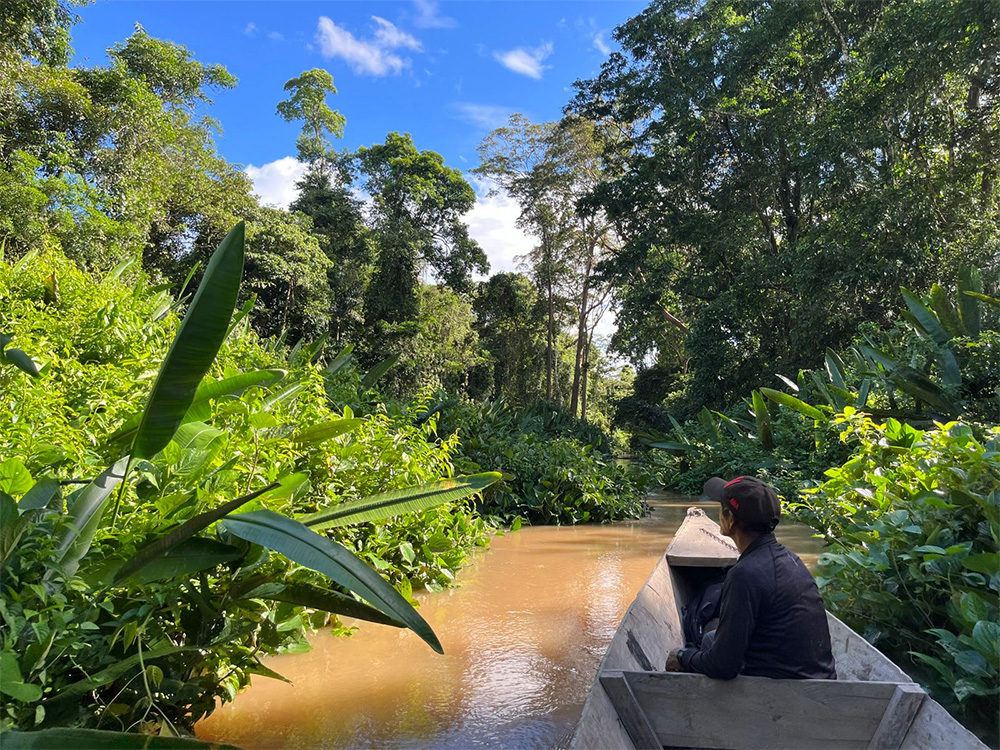
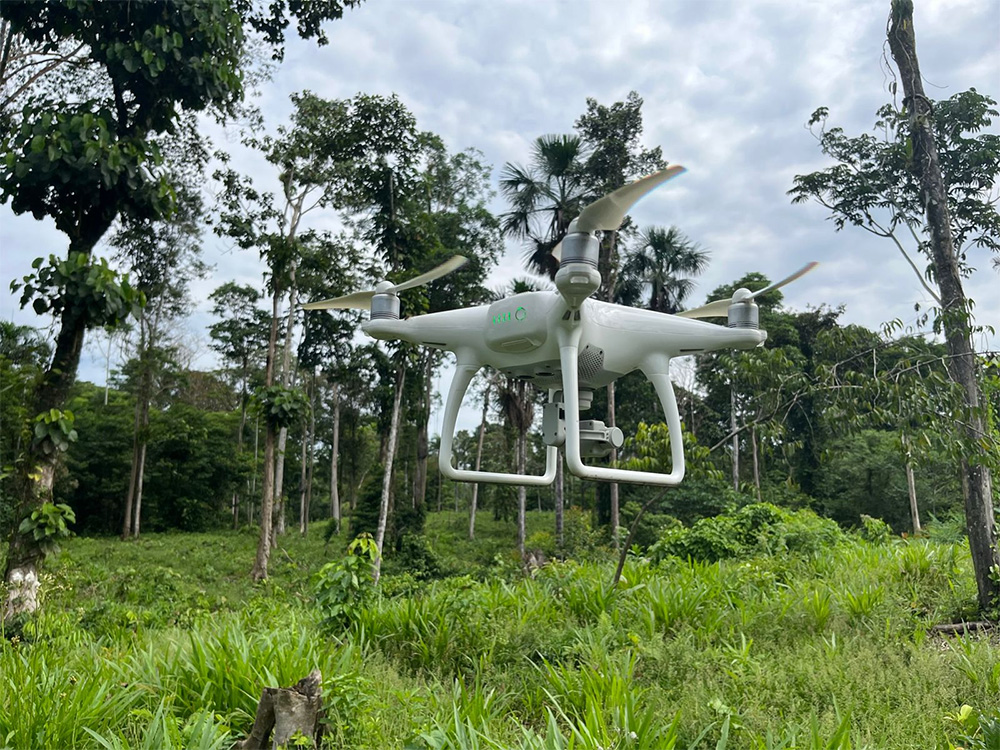
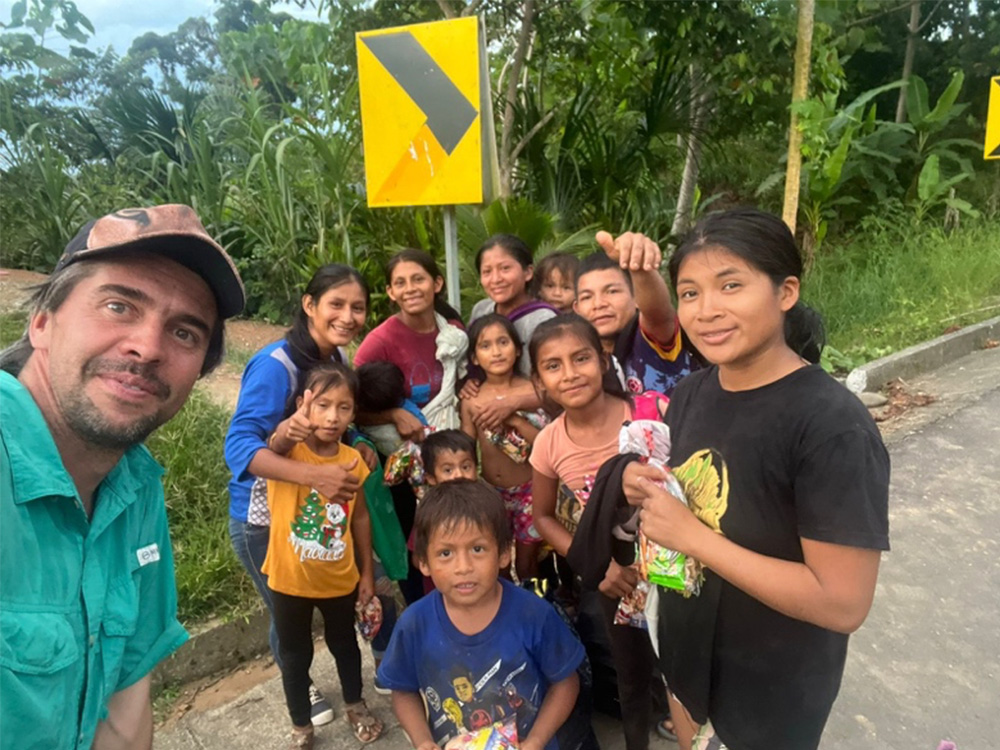
We seek to ensure the protection of the largest possible number of forest areas connected to the properties acquired through the Selva Eterna initiative, "named to promote a binational area that fosters eternal harmony." This conservation area is dedicated to study and protection through the establishment of a scientific station and ancestral knowledge center in the heart of one of the world's most biodiverse regions, located in territories poorly studied by science, forgotten, remote, and on historical war frontiers.


SELVA ETERNA NATURAL RESERVE
Our Impact
The creation of the Eternal Rainforest Reserve will not only help mitigate climate change, but it will also help halt biodiversity loss. For example, protecting one hectare of Amazon rainforest in this region bordering Ecuador and Peru actually helps save this incredible number of animal and plant species:

+140
Amphibians

416
Birds

120
Reptiles

+500
Fish

204
Mammals

+100,000
Arthropods

+2,500
Trees

